MCP and A2A: Faster, Lower-Cost AI Bill Inquiry Resolution
August 2026
|
Walter Neeft, Calvi CEO
AI in telecom billing is increasingly constrained less by model capability than by how reliably models receive billing context and interact with domain systems. MCP can standardize access to billing intelligence, while A2A can coordinate specialist agents across workflows. In Calvi benchmarking, this approach reduced token usage by up to 60%, latency by over 35% and AI processing costs by up to 86%. This article explains how MCP, A2A and a Billing Intelligence Layer work together to support faster, more scalable AI-powered bill experiences.
TL;DR
- MCP provides a standardized way for AI applications to access defined billing tools and intelligence.
- A Billing Intelligence Layer establishes the account-level context AI needs to understand what changed, why it changed and the impact on the bill.
- A2A enables specialist AI agents to collaborate across billing, product, CRM, collections and other workflows.
- In Calvi benchmarking, MCP-based billing inquiry workflows reduced token usage by up to 60%, latency by over 35% and AI processing costs by up to 86%.
AI needs more than access to billing systems
Billing is a demanding use case for AI. A seemingly simple question such as “Why is my bill higher this month?” may require information about plan changes, prorated charges, discounts, usage, adjustments and previous billing periods.
Enterprise billing introduces another level of complexity. A single invoice can span contracts, tariffs, services, sites and cost centers, potentially across multiple billing platforms.
Giving an AI agent access to those systems does not automatically give it the context required to explain the resulting bill. The relationships between the records still need to be established.
This is where architecture becomes as important as model capability.
What is Model Context Protocol?
Model Context Protocol (MCP) is an open standard that provides a common way for AI applications to connect to external data sources and tools.
In a traditional integration, an AI application may need custom logic for individual APIs, their parameters and the structures they return. MCP provides a standardized interface through which AI applications can discover and use defined tools.
For telecom billing, this can simplify the way AI accesses the information it needs. Instead of passing large volumes of raw billing data to the model and asking it to determine what is relevant, defined MCP tools can expose more targeted information for a particular task.
That distinction can materially affect the economics and responsiveness of an AI interaction because the model has less irrelevant information to process.
MCP provides access. Billing intelligence provides understanding.
MCP solves an important integration problem, but it does not determine what the underlying billing records mean.
Consider a customer asking why their monthly charge increased. MCP can provide a standardized way for an AI agent to request the relevant information. But if the increase involves a mid-cycle plan change, prorated charges, a revised discount and a new advance charge, the relationship between those records still needs to be established.
A Billing Intelligence Layer performs that role. It connects relevant billing and account information, establishes account-level context and makes that intelligence available to AI applications and other customer-facing systems.
The architecture therefore separates three responsibilities:
-
Domain systems remain authoritative. Billing, product, CRM, collections and other systems retain responsibility for their underlying calculations, records and business rules.
-
The Billing Intelligence Layer establishes context. It relates relevant records to account events and establishes what changed, why it changed and the effect on the bill.
-
MCP exposes capabilities to AI. AI applications can access defined billing intelligence and tools without embedding the underlying billing logic inside the model or prompt.
How AI access to billing evolves
CSP architectures can evolve from fragmented billing access toward increasingly standardized and coordinated AI interaction. The stages below illustrate how billing access, billing intelligence, MCP and agent collaboration can progressively reduce integration complexity and the amount of interpretation required during the live customer interaction.
1. Fragmented billing access
Billing and CRM information may be distributed across multiple heterogeneous systems with different interfaces and data structures. Answering even common billing questions can require multiple integrations and significant application-specific logic.
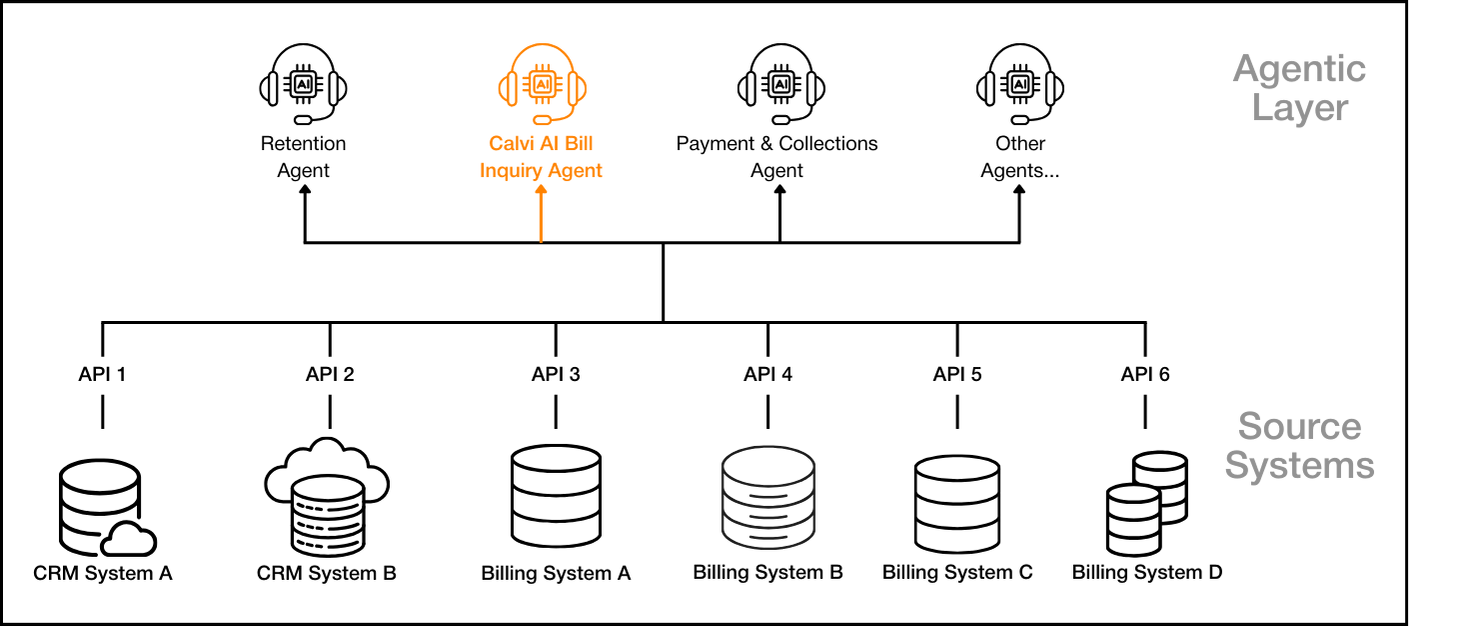
Figure 1: Fragmented access across billing and related systems
2. Unified access through APIs
A common API layer can simplify access across billing systems. However, AI applications may still need to determine which APIs to call, interpret their responses and reconstruct the billing context required for each interaction.
APIs improve connectivity, but connectivity alone does not establish why several billing records relate to the same account event or explain their combined impact on the bill.
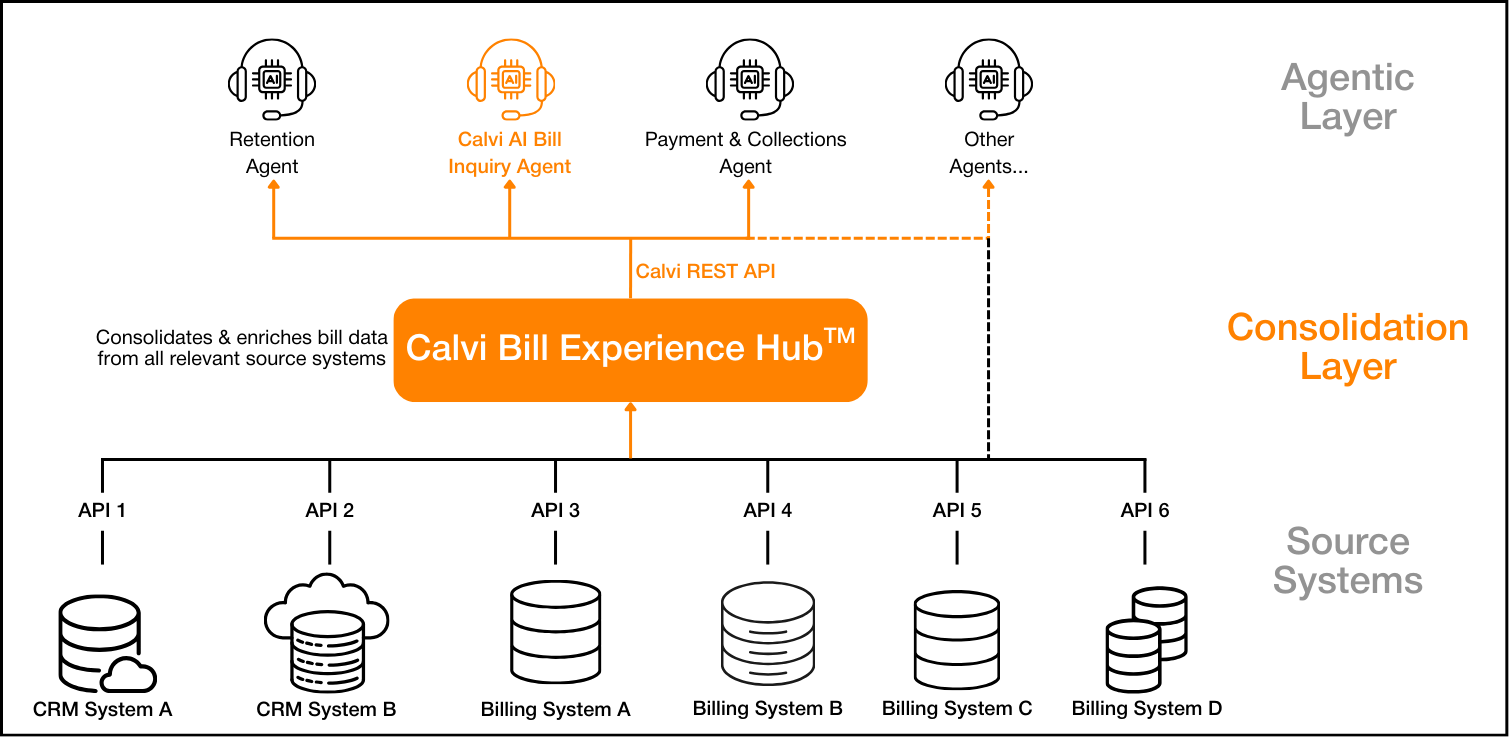
Figure 2: Unified billing access through APIs
3. AI-native access through MCP
MCP provides a standardized way for AI applications to discover and invoke defined billing tools. Combined with established billing intelligence, this allows the model to request more targeted context rather than processing large volumes of raw transactional data.
The important distinction is that MCP is the access mechanism. The Billing Intelligence Layer provides the account-level context that makes the information useful to AI.
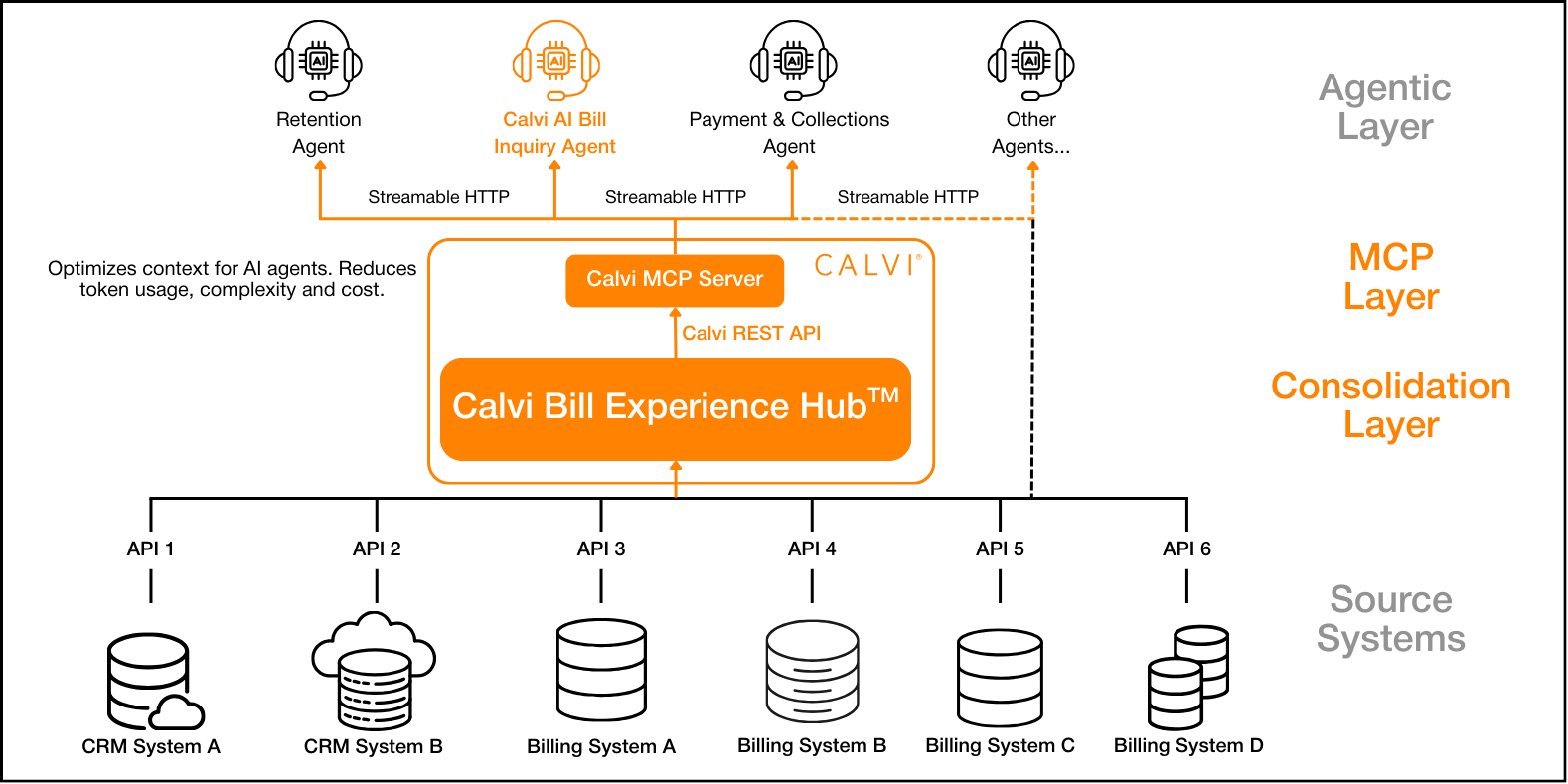
Figure 3: AI-native access to billing intelligence through MCP
4. Multi-agent coordination through A2A
Some customer interactions extend beyond billing. A customer may first ask why a bill increased, then ask whether a different tariff would prevent the same charge or whether alternative payment arrangements are available.
Agent-to-Agent Protocol (A2A) can support coordination between specialist AI agents across these domains. A billing agent might establish why the bill changed, a product agent could handle the next part of the conversation, and a collections agent could become involved where payment support is required.
The agents can collaborate without taking ownership of the underlying enterprise rules. Product systems remain authoritative for eligibility, collections systems determine permitted payment arrangements, and billing platforms remain authoritative for the charges themselves.

Figure 4: Multi-agent coordination across billing and related domains
Why fewer tokens and lower latency matter
AI efficiency becomes commercially important when billing inquiries move from demonstrations into production volumes.
Sending large transaction sets to a model increases token consumption and processing requirements. Asking the model to reconstruct billing context from those records also adds work before a useful answer can be generated.
Calvi has benchmarked MCP-based billing inquiry workflows within its Bill Experience Hub™. By exposing more targeted billing information and reducing unnecessary data passed to the model, these tests measured:
-
Up to 60% fewer tokens processed during the AI interaction.
-
More than 35% lower latency in tested billing inquiry scenarios.
-
Up to 86% lower AI processing cost in the benchmarked configurations.
These figures are specific to Calvi's benchmarking rather than universal performance characteristics of MCP. They nevertheless illustrate an important architectural principle: AI becomes more efficient when it receives the context required for the task rather than processing unnecessary raw billing data.
A2A extends the architecture across multiple agents
MCP addresses how AI applications access tools and context. A2A addresses a different requirement: how independent AI agents communicate and collaborate.
This becomes relevant when a customer interaction crosses multiple business domains. A billing agent may explain the reason for a charge, but resolving the customer's wider requirement could involve product, CRM, collections or another operational capability.
A2A provides a standardized way for those agents to coordinate without requiring a single agent to absorb the logic and responsibility of every underlying system.
This supports a more modular architecture in which specialist agents can be introduced, replaced or changed while continuing to use established domain capabilities.
From individual inquiries to coordinated workflows
The combination of billing intelligence, MCP and A2A creates a clearer path from isolated AI use cases toward reusable billing workflows.
A consumer AI assistant might use billing intelligence to explain an unexpected charge, then coordinate with another agent to present eligible options. An enterprise finance user could ask why one cost center increased and receive an explanation based on changes across services, tariffs and sites.
The important change is architectural. Billing understanding does not need to be independently reconstructed inside every AI agent. The intelligence can be established once and consumed by multiple agents and channels.
That reduces duplication and makes it easier to change models, channels or individual agents without rebuilding the billing interpretation behind them.
MCP and A2A are part of the architecture, not the intelligence itself
MCP and A2A provide important standards for AI connectivity and interoperability. They do not replace the need for reliable domain context.
For telecom billing, that context needs to explain how charges, account events and history combine to produce the bill the customer sees.
Calvi’s Bill Experience Hub™ provides the Billing Intelligence Layer that establishes this context across consumer and enterprise billing. MCP can expose that intelligence efficiently to AI applications, while A2A can support coordination between specialist agents where an interaction spans multiple domains.
Together, these capabilities provide CSPs with a way to scale AI-powered bill experiences without asking the AI model itself to become the billing system, integration layer and source of business logic.
MCP, A2A and Telecom Billing FAQ
What is MCP in telecom billing?
Model Context Protocol is an open standard that provides a common way for AI applications to connect to external tools and data sources. In telecom billing, MCP can expose defined billing capabilities and intelligence to AI without requiring each application to build separate integration logic.
What is the difference between MCP and a Billing Intelligence Layer?
MCP provides a standardized way for AI to access tools and information. A Billing Intelligence Layer establishes the billing context those tools can expose, including what changed, why it changed and how it affected the bill. MCP provides access; billing intelligence provides the domain understanding.
How can MCP reduce AI token usage and cost?
MCP tools can expose information targeted to a specific task rather than sending large volumes of raw billing data to the model. In Calvi benchmarking, MCP-based billing inquiry workflows reduced token usage by up to 60%, latency by more than 35% and AI processing costs by up to 86% in tested configurations.
What is A2A in telecom AI?
Agent-to-Agent Protocol enables independent AI agents to communicate and collaborate. In telecom, this can allow a billing agent to work with product, CRM or collections agents while each underlying domain system retains authority for its own rules and decisions.
Do MCP and A2A replace telecom APIs or BSS systems?
No. Existing APIs and BSS platforms continue to provide the underlying capabilities and remain authoritative for their data, calculations and business rules. MCP and A2A provide standardized mechanisms for AI applications and agents to access and coordinate those capabilities.
Billing Intelligence Contact Us